The Mechanical Feel: Why Tactile Control Dictates Modern CNC Motorcycle Sourcing
Last week, a product engineer asked me: “Why are motorcycle brands suddenly obsessed with making modern drivetrains feel more mechanical?”
My answer surprised him: because riders still trust what they can feel—and manufacturers know it.
Look at the pattern across this week’s motorcycle news:
- Beginner-friendly cruisers
- A revived hydraulic clutch conversion for Harley 5-speeds
- Honda simulating clutch and flywheel behavior in an electrified concept
Different products, same message: tactile control still matters, even when the technology underneath changes. 🏍️🔧

The Critical Link to CNC Machining
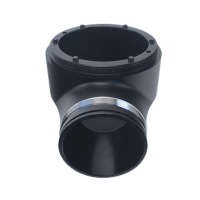
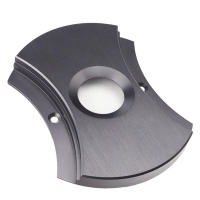
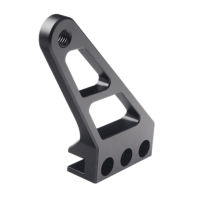
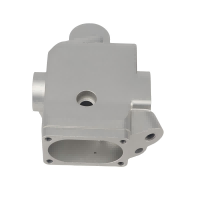
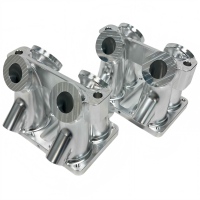
That matters to CNC machining more than most people realize. When brands rework clutch systems, transmission covers, shift interfaces, and vibration-related assemblies, the tolerance stack-up becomes unforgiving.
- Material Rigor: A side cover in
AL6061or a clutch-related housing inSS304is not just a cosmetic part—it has to hold flatness, bore accuracy, and sealing performance under heat, load, and vibration. - The 5-Axis Solution: The manufacturers who win this next cycle will be the ones pairing rider-centric design with machining discipline. This means 5-axis for complex housings, tighter positional accuracy, and fewer setups.
- Efficiency Gains: Modern Machine Shop has reported 3.2x higher efficiency with 5-axis vs. 3-axis CNC machining, and that efficiency can directly shorten launch timelines.
Strategic Sourcing Advice
For procurement teams, this is the real takeaway: don’t source motorcycle parts as isolated components. Source them as functional systems with tolerance control, material fit, and finishing strategy aligned from prototype to production.
💡 The Global Market Advantage: In China, the better machining partners are already doing this at +/-0.005 mm with 2-4 week lead times across aluminum, stainless, titanium, and engineering plastics. ⚙️
Which matters more in your world right now: lower piece-price, or better system-level performance?
The Robot Reality: Supercharging CNC Productivity, Not Replacing Workers
Related Article